




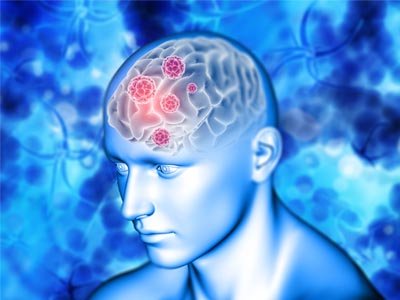
National Brain Week: Raising Awareness About Neurological Disorders
Every year, National Brain Week is observed to raise awareness about neurological disorders that affect millions of people worldwide. Neurological diseases such as stroke, epilepsy, Parkinson’s disease, dementia, migraine, neuropathy, and multiple sclerosis impact not only the patient but entire families and communities. Despite their prevalence, awareness, early diagnosis, and lifestyle management remain limited.
Celebrating National Brain Week provides an opportunity to educate, screen, and empower individuals to take better care of their brain and nervous system health.
Why Brain Health Awareness Is Crucial
The brain controls every function of the body — movement, memory, speech, sleep, emotions, and decision-making. Any disturbance in brain or nerve function can lead to a serious neurological condition.
According to the World Health Organization:
- Neurological disorders are a leading cause of disability worldwide.
- Stroke and hypertension-related brain damage
- Stroke is one of the top causes of death in India.
- Over 50 million people suffer from epilepsy.
- Dementia cases are rising rapidly with aging populations.
- Lifestyle and stress-related neurological issues are increasing among younger adults.
These numbers highlight the urgent need for public education, early detection, and preventive care.
Common Neurological Disorders to Be Aware Of
Here are some neurological conditions that Brain Week aims to highlight:
Brain-friendly dietary habits:
- Stroke (Brain Attack)
- Epilepsy & Seizures
- Migraine & Chronic Headache
- Parkinson's Disease
- Multiple Sclerosis (MS)
- Neuropathy
- Dementia & Memory Loss
- Autoimmune Neurological Conditions
- Sleep Disorders
Goals of National Brain Week
The purpose of this awareness initiative includes:
- Early detection and timely consultation
- Education on warning signs and risk factors
- Lifestyle modification guidance
- Reducing stigma around neurological disorders
- Encouraging people to visit neurologists for evaluation
- Promoting brain research and rehabilitation support
By improving awareness, many neurological conditions can be prevented, controlled, or treated effectively.
Warning Signs You Should Never Ignore
If you or someone you know experiences the following, immediate neurological consultation is essential:
- Persistent or severe headaches
- Sudden weakness or numbness
- Loss of balance or coordination
- Seizures or blackouts
- Memory loss or confusion
- Difficulty speaking or seeing
- Tremors or muscle stiffness
- Burning, tingling, or nerve pain
Early diagnosis can prevent disability and improve outcomes.
Lifestyle and Prevention: Key to Brain Health
National Brain Week also emphasizes adopting healthier habits to protect the nervous system:
- Follow a balanced diet rich in omega-3, antioxidants, and vitamins
- Stay physically active to improve blood circulation
- Ensure adequate sleep (7–8 hours daily)
- Manage stress through relaxation techniques
- Avoid tobacco and excessive alcohol
- Control diabetes, cholesterol, and high B
- Limit screen time and digital strain
Conclusion
National Brain Week is more than just an observance — it is a reminder that brain health is essential to overall health. With the right awareness, lifestyle changes, preventive screening, and timely treatment, neurological disorders can be better managed and, in many cases, prevented.
Your brain is your most vital asset — protect it with knowledge, care, and action.